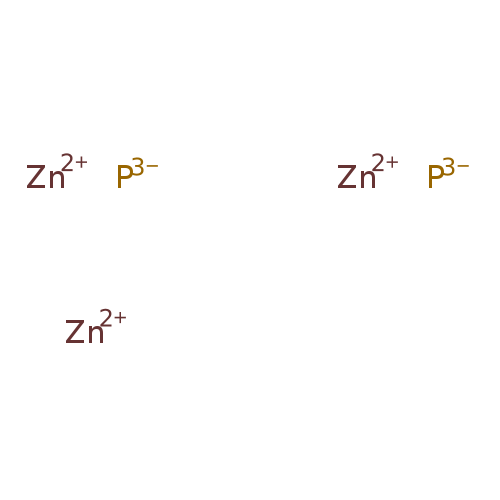
Zinc phosphide is a phosphide of zinc. It is used as a rodenticide. Zinc is a metallic element with the atomic number 30. It is found in nature most often as the mineral sphalerite. Though excess zinc in harmful, in smaller amounts it is an essential element for life, as it is a cofactor for over 300 enzymes and is found in just as many transcription factors. Metal phosphides are hydrolysed to phosphine upon contact with water or stomach acid. Phosphine is a colorless, flammable, explosive, and toxic gas. (9, 4, 5, 6)
belongs to the class of inorganic compounds known as miscellaneous mixed metal/non-metals. These are inorganic compounds containing non-metal as well as metal atoms but not belonging to afore mentioned classes.
Anaemia results from the excessive absorption of zinc suppressing copper and iron absorption, most likely through competitive binding of intestinal mucosal cells. Unbalanced levels of copper and zinc binding to Cu,Zn-superoxide dismutase has been linked to amyotrophic lateral sclerosis (ALS). Stomach acid dissolves metallic zinc to give corrosive zinc chloride, which can cause damage to the stomach lining. Metal fume fever is thought to be an immune response to inhaled zinc. Phosphine inhibits cytochrome c oxidase, preventing mitochondrial oxidative phosphorylation. This non-competitive inhibition prevents cellular respiration and leads to multi-organ dysfunction. Phosphine can also react with hydrogen peroxide to form the highly reactive hydroxyl radical, which can cause lipid peroxidation. (2, 3, 4, 5, 1)
Metabolism
Zinc can enter the body through the lungs, skin, and gastrointestinal tract. Intestinal absorption of zinc is controlled by zinc carrier protein CRIP. Zinc also binds to metallothioneins, which help prevent absorption of excess zinc. Zinc is widely distributed and found in all tissues and tissues fluids, concentrating in the liver, gastrointestinal tract, kidney, skin, lung, brain, heart, and pancreas. In the bloodstream zinc is found bound to carbonic anhydrase in erythrocytes, as well as bound to albumin, macroglobulin, and amino acids in the the plasma. Albumin and amino acid bound zinc can diffuse across tissue membranes. Zinc is excreted in the urine and faeces. Phosphine and metal phosphides may be absorbed following ingestion or inhalation, then distribute to the nervous system, liver, and kidney. In the body, metal phosphides are hydrolysed to phosphine, and phosphine is oxidized to hypophosphite and phosphite. Metabolites are excreted in the urine, while unchanged phosphine is exhaled. (10, 5)
Chronic exposure to zinc causes anemia, atazia, lethargy, and decreases the level of good cholesterol in the body. It is also believed to cause pancreatic and reproductive damage. Inhalation of phosphine may cause severe pulmonary irritation leading to acute pulmonary oedema, cardiovascular dysfunction, CNS excitation, coma and death. Gastrointestinal disorders, renal damage and leukopenia may also occur. Chronic exposure to phosphine can result in anemia, bronchitis, gastrointestinal effects, and visual, speech and motor problems. (9, 10, 5)
Symptoms
Ingestion of large doses of zinc causes stomach cramps, nausea, and vomiting. Acute inhalation of large amounts of zinc causes metal fume fever, which is characterized by chills, fever, headache, weakness, dryness of the nose and throat, chest pain, and coughing. Dermal contact with zinc results in skin irritation. Early symptoms of acute phosphine intoxication include pain in the diaphragm, nausea, vomiting, excitement, and a phosphorus smell on the breath. Higher levels can cause weakness, bronchitis, pulmonary edema, shortness of breath, convulsions, and death. Some effects, such as pulmonary edema, convulsions, and liver injury, may appear or continue to be present days after an exposure. Ingestion of metal phosphides results in release of phosphine in your stomach which can cause nausea, vomiting, abdominal pain, and diarrhea. (9, 5)
Treatment
Zinc poisoning is treated symptomatically, often by administering fluids such as water or milk, or with gastric lavage. Artificial respiration, and/or administration of activated charcoal may be necessary to treat phosphine poisoning. (10, 5)